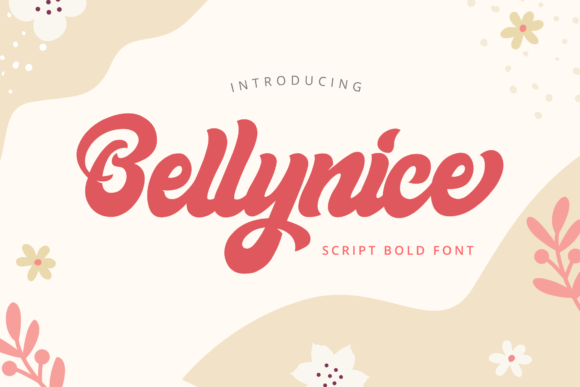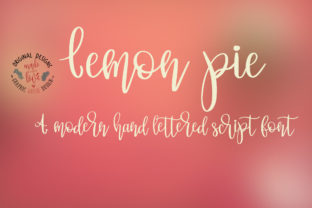
Lemon Pie: A Playful Script Font for Modern Design
Looking for a font that feels fresh, friendly, and full of personality? Lemon Pie is a modern lettered script font designed to bring warmth and charm to any project—without sacrificing readability or versatility. It’s not just another decorative typeface; it’s crafted with intention, featuring distinctive tall R and T characters that add rhythm and visual interest to every word.
What Makes Lemon Pie Stand Out?
At its core, Lemon Pie balances elegance and approachability. Its letterforms flow like natural handwriting—but with consistent spacing, smooth curves, and subtle bounce. That tall R, for example, isn’t just decorative: it creates vertical emphasis that guides the eye and adds energy to headlines. The same goes for the elongated T, which gives even short words a confident, lifted presence.
Because of these thoughtful details, Lemon Pie reads as modern, cute, playful, and feminine—but never childish or overly sweet. It avoids the stiffness of formal scripts and the chaos of unstructured brush fonts. Instead, it lands in a sweet spot where personality meets polish.
Where Does Lemon Pie Shine?
This font works beautifully wherever you want to convey sincerity, creativity, or lighthearted professionalism. Think of it as your go-to for moments when tone matters as much as content.
- Small business branding: A handmade soap label, a boutique café menu, or a wedding invitation suite—all benefit from Lemon Pie’s inviting warmth.
- Digital content: Blog headers, Instagram story text overlays, or email newsletter banners gain instant charm without looking dated or distracting.
- Educational materials: Teachers use it for classroom posters or printable worksheets where friendliness encourages engagement—especially with younger learners or wellness-focused curricula.
- Personal projects: Handmade greeting cards, journal covers, or custom gift tags feel more intentional and heartfelt with Lemon Pie’s gentle confidence.
It’s also highly legible at medium sizes (16–32 pt), making it practical—not just pretty. You won’t need to squint or zoom to read a tagline or call-to-action set in Lemon Pie.
Real-Life Uses You Can Try Today
You don’t need design experience to make Lemon Pie work for you. Here are simple, effective ways to start:
- Create a social media highlight cover: Pair Lemon Pie for the title (“Self-Care Tips”) with a clean sans-serif for body text—clean contrast, clear hierarchy.
- Design a printable planner page: Use Lemon Pie for section headers like “Weekly Goals” or “Gratitude Log”—it adds soft structure without overwhelming the layout.
- Make a digital product more memorable: If you sell Canva templates or Notion dashboards, Lemon Pie lends a hand-crafted, trustworthy vibe to your preview images and sales pages.
- Refresh your email signature: Just one line—like “Warmly, [Your Name]”—in Lemon Pie feels personal and polished next to your contact info.
These aren’t theoretical examples. Designers, educators, and solopreneurs regularly choose Lemon Pie because it helps their message land with authenticity—not just aesthetics.
Things to Keep in Mind Before You Use It
Like any script font, Lemon Pie shines brightest when used intentionally—not everywhere at once. Here’s what helps it work well for you:
- Pair it thoughtfully: Lemon Pie pairs best with clean, neutral sans-serifs (think Inter, Poppins, or Montserrat) or gentle serifs (like Cormorant Garamond). Avoid competing scripts or overly ornate fonts—they’ll muddy the clarity.
- Respect its role: It’s ideal for headings, logos, quotes, and short labels—not long paragraphs or dense body copy. Let it lead, then step back.
- Check licensing early: Lemon Pie is often available for personal and commercial use, but always verify the license terms before using it in client work, print-on-demand products, or apps.
- Test on real devices: Preview how it renders on mobile screens and different browsers. Some script fonts lose subtlety at small sizes—Lemon Pie holds up well, but testing ensures consistency.
Also, while its playful nature makes it accessible, don’t assume it fits every brand voice. A law firm’s annual report or a cybersecurity whitepaper likely needs something more grounded. But for lifestyle brands, creative studios, wellness coaches, or craft-based businesses? Lemon Pie often feels like the perfect match.
Why Designers—and Non-Designers—Keep Coming Back
There’s a reason Lemon Pie appears across so many thoughtful, human-centered projects: it supports connection. When someone sees text set in Lemon Pie, they don’t just read the words—they sense care behind them. That’s powerful in a world full of generic, algorithm-driven visuals.
For beginners, it lowers the barrier to creating something that looks intentionally designed—not “thrown together.” For professionals, it’s a reliable tool that delivers expressive results without endless tweaking. And for entrepreneurs building a brand rooted in empathy or joy, Lemon Pie quietly reinforces that message—letter by letter.
It doesn’t try to be everything. It doesn’t shout. But when used well, Lemon Pie makes space for personality to show up—gently, clearly, and memorably.